
Plants
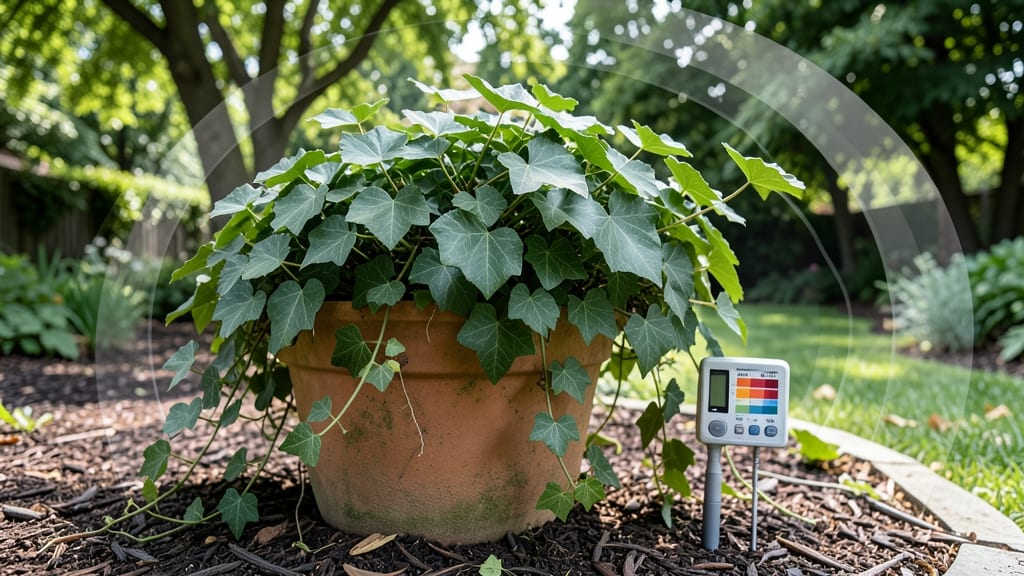
If you’re wondering how much light does an ivy plant need, the answer lies in striking the right balance—too little and it grows weak, too much and it burns.
The truth is, ivy thrives in bright but indirect sunlight, and understanding this balance is the key to keeping your vine lush and healthy year-round, whether it’s climbing a trellis or dangling from a shelf.
Most ivy varieties, like English ivy or Boston ivy, do just fine in low-light conditions, but they truly shine with 4-6 hours of filtered light daily. That means a north- or east-facing window is ideal, while harsh afternoon sun can scorch those delicate leaves.
The good news? Ivy is forgiving—it can adapt to different light levels, but knowing the signs of stress will help you adjust before it’s too late.
What you might not realize is how quickly light changes can affect your plant’s health. Leggy growth or pale leaves? That’s a cry for more brightness. Brown spots or crispy edges?
Time to move it out of direct sun. I’ll walk you through how to spot these clues and tweak your ivy’s environment for the perfect glow—no guesswork required.
Whether you’re a beginner or a seasoned plant parent, mastering ivy’s light needs will transform your green thumb game. Let’s dive into the simple tricks to keep your 🌿 thriving, no matter where it calls home.

Ivy plant light requirements: the ideal balance of low to bright indirect sunlight
Ivy plants are famously adaptable, but their light requirements are the foundation of their health. Unlike sun-loving succulents, ivy thrives in low to bright indirect sunlight, making it perfect for shady corners or filtered light spots.
Too much direct sun can bleach those gorgeous green leaves, while too little light slows growth and dulls color. Let’s break down the perfect balance for your ivy’s light needs.
Most ivy varieties—like English ivy (Hedera helix) and Boston ivy (Parthenocissus tricuspidata)—prefer 4 to 6 hours of bright, indirect light daily. This mimics their natural habitat under forest canopies, where dappled sunlight filters through leaves.
Think of it as the "goldilocks zone" for ivy: not too harsh, not too dim. For example, a north-facing window provides gentle, consistent light, while an east-facing window offers morning sun without the intensity of afternoon rays.
Here’s how light intensity affects your ivy’s growth and appearance:
| Light Level | Description | Ivy Response | Best For |
|---|---|---|---|
| Low Light (<3 hours) | Dim corners, north windows, artificial lighting | Slow growth, pale leaves, leggy stems | Survival mode (use grow lights) |
| Medium Light (3-4 hours) | East/west windows, filtered sun through curtains | Moderate growth, healthy green leaves | Ideal for most indoor ivy |
| Bright Indirect (4-6 hours) | South window with sheer curtain, dappled shade | Vibrant growth, lush foliage, faster vines | Optimal for thriving ivy |
| Direct Sun (>6 hours) | South-facing windows, unfiltered sunlight | Brown spots, crispy edges, sunburn | Avoid or use sheer curtains |
Outdoor ivy plants, like those climbing a trellis or covering a fence, can handle slightly more light—especially morning sun—but afternoon rays can still cause damage. If you’re growing ivy outdoors, position it where it gets dappled shade or only a few hours of direct sun.
For example, a porch with afternoon shade from a tree is perfect, while a south-facing wall without protection will scorch the leaves.
Light also influences vine length and leaf size. In low light, ivy grows longer stems to reach for more sunlight, while bright indirect light produces compact, bushier growth with darker green leaves.
This is why indoor ivy often looks "leggy" near windows—it’s stretching toward the light source! Rotate your plant every few weeks to encourage even growth and prevent it from leaning.
Seasonal light changes can trick ivy into thinking it’s always summer or winter. In winter months, when daylight is shorter, supplement with a grow light for 6-8 hours daily if you notice slowed growth.
Conversely, in summer, watch for signs of too much light, like yellowing leaves or crispy edges, and move your ivy to a shadier spot if needed.
Pro tip: Test your ivy’s light tolerance by observing its leaves. If they’re deep green and glossy, you’ve nailed the balance. If they’re pale or yellowing, it’s getting too much sun.
If they’re dull and sparse, it needs more light. Adjust gradually—ivy adapts slowly to sudden light changes, which can cause stress.
For English ivy, which is the most common variety, bright indirect light is ideal. However, Swedish ivy (Plectranthus verticillatus), often confused with true ivy, prefers slightly more light and can tolerate a bit of direct sun.
Always check your specific variety’s care guide to avoid over- or under-exposing it.
Remember, ivy’s flexibility is its superpower. Whether you’re growing it in a hanging basket by a north window or training it up a shady trellis outdoors, the key is to observe and adjust.
With the right light, your ivy will reward you with lush, vibrant growth for years to come. 🌿
Signs your ivy isn’t getting enough (or too much) light—and how to fix it
Ivy plants are masters of adaptability, but even they’ll send distress signals when their light needs aren’t met. The first clue? Leggy growth—those stretched-out vines reaching desperately for light. This happens when your ivy isn’t getting enough bright indirect sunlight, typically 4-6 hours daily.
Without proper light, leaves grow sparse and pale, almost like they’ve lost their vibrancy. If you’ve noticed your ivy’s vines stretching toward a single window, it’s time to relocate or supplement with a grow light.
On the flip side, too much direct sun can cause brown leaf tips or crispy edges—a sign of sunburn. Ivy’s leaves may also develop a bleached or yellowed appearance if exposed to harsh afternoon rays, especially in hot climates.
If your ivy is near a south-facing window, try moving it a few feet back or using a sheer curtain to diffuse the light. Even outdoor ivy can suffer if planted in full sun without shade during peak hours.
Leaves turning yellow or brown? Your ivy is getting too much sun. Move to partial shade (e.g., dappled sunlight under trees) or indoors near an east-facing window. Use sheer curtains to filter harsh light.
Another red flag is yellowing leaves that start at the bottom of the plant. This could mean your ivy is either overwatered or not getting enough light. To diagnose, check the soil: if it’s soggy, cut back on watering.
If it’s dry, your ivy needs more bright indirect light. A simple fix? Rotate your plant quarter-turns weekly to ensure even light exposure on all sides.
For indoor ivy, bathrooms and north-facing windows are classic low-light spots. If your ivy looks weak here, try a reflective surface like a mirror behind the pot to bounce extra light onto the leaves.
Outdoor ivy in shaded patios or under eaves may also struggle—look for small, sparse leaves, a sign it’s not getting enough energy to grow. In these cases, a partial shade cloth (30-50% coverage) can help balance light exposure.
Seasonal changes complicate things. In winter, shorter daylight hours can make ivy growth slow down, while summer’s intense sun might require temporary shade. Watch for leaf drop during transitions—this is your ivy adjusting to new light conditions.
During these shifts, avoid fertilizing, as the plant focuses on adapting rather than growing.
Pro tip: Leaf color is your best barometer. Healthy ivy leaves should be deep green with a slight sheen. If they’re dull or mottled, it’s time to tweak the light.
For English ivy, which is slightly more tolerant, you might get away with 3 hours of indirect light, but Boston ivy (a common houseplant variety) thrives with 4-6 hours. Adjust based on your specific type!
Don’t wait for your ivy to look sad—act early! A few small adjustments (like moving the pot or adding a sheer curtain) can make a world of difference. With the right light, your ivy will reward you with lush, vibrant growth all year round. 🌿