
How To
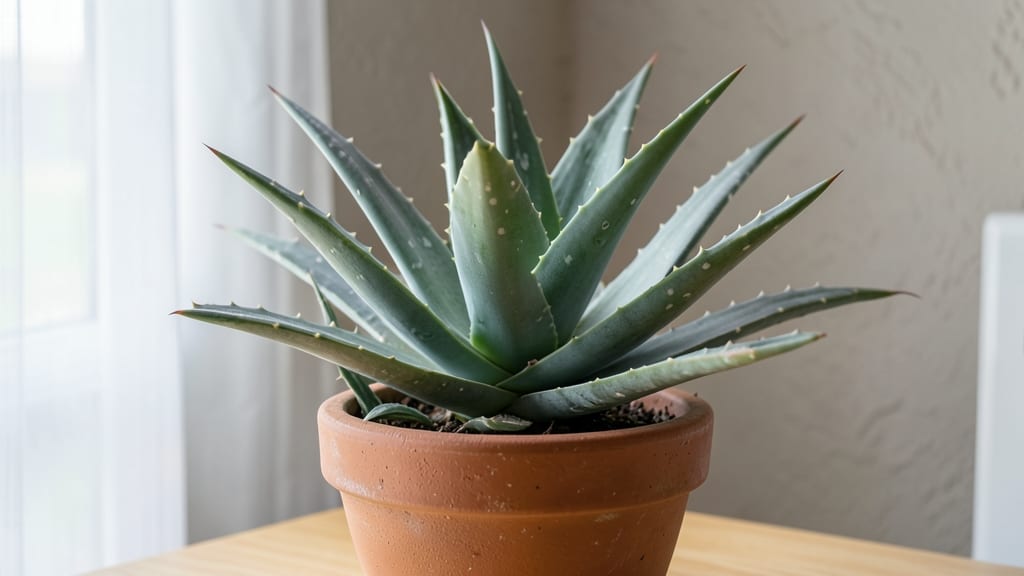
Want to know how much light does an aloe plant need to grow strong and healthy?
Getting the light just right is the secret weapon most people overlook—too little, and your plant stretches out like a sad noodle, while too much can fry those beautiful leaves faster than you can say "sunburn."
Here's the truth: aloe thrives in bright indirect sunlight, but figuring out exactly how much is where many gardeners trip up. Whether you're dealing with a sunny windowsill or a shady corner, I'll break down the perfect light conditions so your aloe stays happy and vibrant year-round.
You'll discover how to spot the signs of light stress, where to place your plant for maximum growth, and even how to fix common mistakes that turn your aloe into a crispy mess. Let's make sure your succulent gets the glow-up it deserves!
From identifying the ideal 4-6 hours of sunlight to adjusting for indoor vs. outdoor setups, I've got you covered with practical tips that actually work. Your aloe's health starts with the right light—let's get it growing strong!

Ideal light requirements for aloe plants: bright indirect sunlight explained
Aloe plants thrive in bright indirect sunlight, but they can also handle some direct sun—especially in cooler climates. The key is finding that sweet spot where your aloe gets enough light to grow without getting sunburned.
Most aloe varieties need 4 to 6 hours of sunlight daily, but this can vary based on your location and the season.
If you're growing aloe indoors, a south-facing window is ideal because it provides the most intense light without the harsh midday sun. However, if your aloe starts looking stretched or pale, it’s likely not getting enough light.
On the flip side, if the leaves turn brown or crispy, it’s getting too much direct sun, especially during peak afternoon hours.
Bright indirect light is your goal—think of it like standing under a sheer curtain on a sunny day. This mimics the natural dappled sunlight aloe plants often experience in their native habitats. For outdoor growers, placing aloe in a spot with morning sun and afternoon shade works beautifully, especially in hotter climates like USDA Zone 9 or 10.
Here’s a quick way to test if your aloe is getting the right light: Hold your hand near the plant. If you can’t see your shadow clearly or the light feels diffused, it’s likely bright indirect light.
If the light is harsh and casts sharp shadows, it’s probably too direct, especially during the 10 AM to 4 PM window when UV rays are strongest.
In cooler months, aloe plants can tolerate slightly more direct sunlight, but in summer, they’ll appreciate some protection from the intense midday sun. This is where understanding your local climate and adjusting accordingly becomes crucial.
For example, a south-facing window in New England might work year-round, while the same window in Arizona could fry your aloe without shade.
Now, let’s break down the ideal light conditions in a clear, easy-to-reference table to help you visualize what your aloe needs:
Understanding these light conditions will help you avoid common pitfalls, like placing your aloe in a north-facing window where it gets too little light or leaving it in harsh afternoon sun without protection.
For example, if your aloe is near a window with sheer curtains, it’s likely getting the perfect bright indirect light.
If you notice your aloe’s leaves turning yellow or brown at the tips, it’s often a sign of too much direct sun. On the other hand, if the leaves start looking pale, thin, and stretched, your aloe needs more light.
These visual cues are your plant’s way of communicating its needs, so pay close attention to them!
For outdoor aloe plants, the spring and fall seasons are ideal for gradual acclimation to more direct sunlight. Start by placing your aloe in a spot with morning sun and slowly move it to sunnier locations as the days get longer.
This helps prevent sunburn, which can leave unsightly brown patches on the leaves.
Remember, aloe plants are resilient, but they do best when given the right balance of light. Whether you’re growing yours indoors or outdoors, observation and adjustment are key to keeping it happy and healthy.
With the right light, your aloe will reward you with thick, plump leaves and minimal stress—making it the star of your garden or windowsill! 🌵
Ideal light requirements for aloe plants: bright indirect sunlight explained
Aloe plants thrive under bright indirect sunlight, but they can handle some direct sun—especially in cooler climates. Aim for 4-6 hours of sunlight daily, though they can tolerate up to 8 hours if acclimated gradually. The key is avoiding harsh midday sun, which can scorch their leaves.
In their natural habitat, aloe plants grow in arid, sunny environments but often under partial shade from rocks or other plants. This means they need intense light without scorching. Think of it like a sunny beach day with some cloud cover—bright but not overwhelming.
Here’s how to match your aloe’s needs to your environment:
| Light Condition | Hours Needed | Best For |
|---|---|---|
| Bright Indirect Sunlight | 4-6 hours | Indoor windowsills, greenhouses |
| Direct Morning Sun | 3-4 hours | Outdoor pots in cooler climates |
| Partial Shade | 2-3 hours | North-facing windows, shaded patios |
| Full Sun (Acclimated) | 6-8 hours | Outdoor gardens in warm zones |
If your aloe isn’t getting enough light, you’ll notice stretched, pale leaves reaching for sunlight—a sign of etiolation. This weakens the plant and makes it prone to falling over. On the flip side, too much harsh sun causes brown, crispy edges or white patches, which are signs of sunburn.
For indoor aloes, a south-facing window is ideal, but east or west-facing windows work too if you rotate the pot every few weeks. This ensures even growth and prevents leaning. Outdoor aloes should be placed where they get morning sun and afternoon shade, especially in hotter months.
Pro tip: If your aloe starts looking leggy or weak, it’s begging for more light. Move it closer to a window or supplement with a grow light for 12-14 hours a day. Just avoid placing it in direct afternoon sun without gradual acclimation.