
Plants
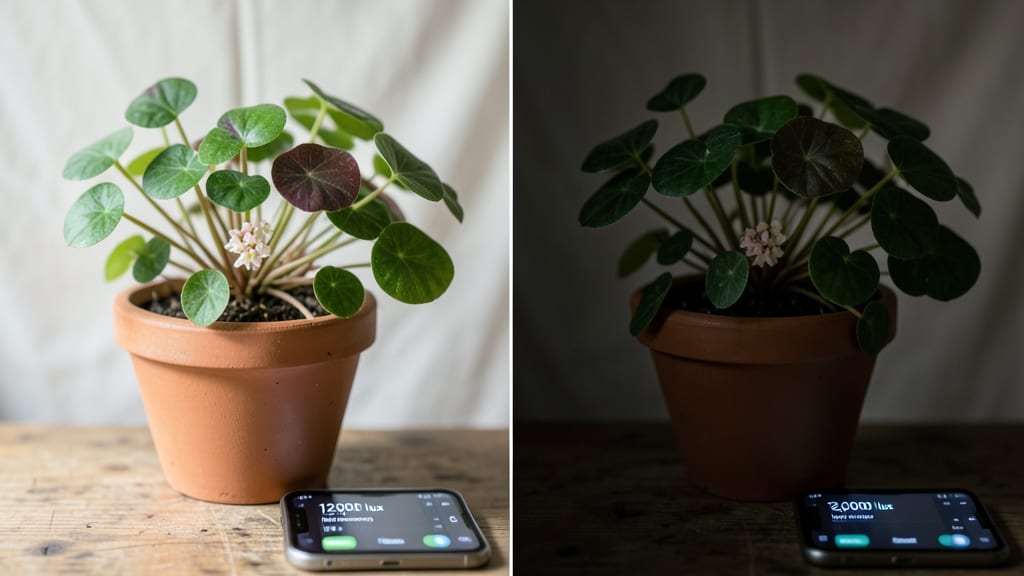
Ideal light requirements for shamrock plants: bright indirect sunlight explained
Shamrock plants (Oxalis spp.) thrive best with bright indirect sunlight, making them perfect for indoor gardens or shady outdoor spots. Unlike sun-loving succulents, these plants can’t handle harsh afternoon rays, which is why morning sun exposure works best for their delicate leaves.
Outdoors, position your shamrock in a spot that gets 4-6 hours of filtered sunlight daily. Think of it like a dappled forest floor—enough light to grow but not scorching direct beams.
Indoors, an east-facing window is ideal, offering gentle morning light without the intensity of south or west exposures.
If your shamrock isn’t getting enough light, you’ll notice leggy stems and pale green leaves, while too much direct sun causes brown leaf tips or wilting. The key is balance—bright but diffused light keeps those iconic three-leaf clovers vibrant and healthy year-round.
🌱
| Light Condition | Daily Hours | Best Location | Signs of Stress |
|---|---|---|---|
| Bright Indirect | 4-6 hours | East window, dappled shade | Healthy growth, dark green leaves |
| Low Light | <3 hours | North window, deep shade | Leggy stems, pale leaves |
| Direct Sun | >6 hours | South/west window, full sun | Brown tips, crispy leaves |
For indoor shamrocks, avoid placing them near heat sources like radiators or south-facing windows during peak sun hours. Instead, use a sheer curtain to diffuse light if needed. Outdoors, morning sun with afternoon shade mimics their natural habitat under forest canopies.
If you’re growing shamrocks in containers, rotate the pot every few weeks to ensure even light exposure. Uneven lighting causes lopsided growth, where one side stretches toward the light while the other remains weak. A simple quarter-turn keeps your plant balanced and bushy.
Seasonal changes also affect light needs. In winter, when daylight is shorter, supplement with a grow light for 6-8 hours daily. Conversely, in summer, move potted shamrocks to a shadier spot to prevent heat stress.
Pro tip: Watch your shamrock’s leaf color—vibrant green means perfect light, while yellow or red hues signal stress. Adjust gradually; sudden light changes shock delicate plants like shamrocks.
💧
Ideal light requirements for shamrock plants: bright indirect sunlight explained
Shamrock plants (Oxalis spp.) thrive best with bright indirect sunlight, making them perfect for indoor gardeners with limited direct light. These plants naturally grow under forest canopies, where they receive filtered light.
In your home, mimic this environment by placing them near east-facing windows or under sheer curtains to diffuse harsh rays.
Direct sunlight for more than 2-3 hours daily can scorch their delicate leaves, causing brown patches or crispy edges. Meanwhile, too little light leads to leggy growth and pale foliage. The goal is to balance their need for light with protection from intense rays.
Shamrock Light Requirements
| Light Type | Daily Exposure | Best Location | Signs of Stress |
|---|---|---|---|
| Bright Indirect | 4-6 hours | East window, sheer curtain | Pale leaves, slow growth |
| Direct Sun | 2-3 hours max | Morning sun only | Brown patches, crispy edges |
| Low Light | Less than 4 hours | North window, grow light | Leggy stems, sparse leaves |
If you notice your shamrock’s leaves turning yellow or brown, it’s often a sign of over-exposure to sunlight. Move it to a spot with filtered light immediately. Conversely, if the leaves look pale or the stems stretch toward the light, your plant needs more brightness—just not direct rays.
Outdoor shamrocks love dappled shade under trees or on shaded patios. They can handle morning sun but avoid placing them in afternoon sunlight, especially in hot climates. This balance keeps their foliage lush and vibrant year-round.
For indoor growers, rotate your shamrock plant quarter-turns weekly to ensure even light exposure. This prevents one side from becoming too stretched or weak. Pair this with a grow light (12-14 hours/day) if natural light is insufficient during winter months.
Remember, shamrocks are low-maintenance once their light needs are met. With the right balance, they’ll reward you with bright green, clover-like leaves and occasional delicate flowers. Pay attention to their cues—your plant will tell you exactly what it needs!