
Plants
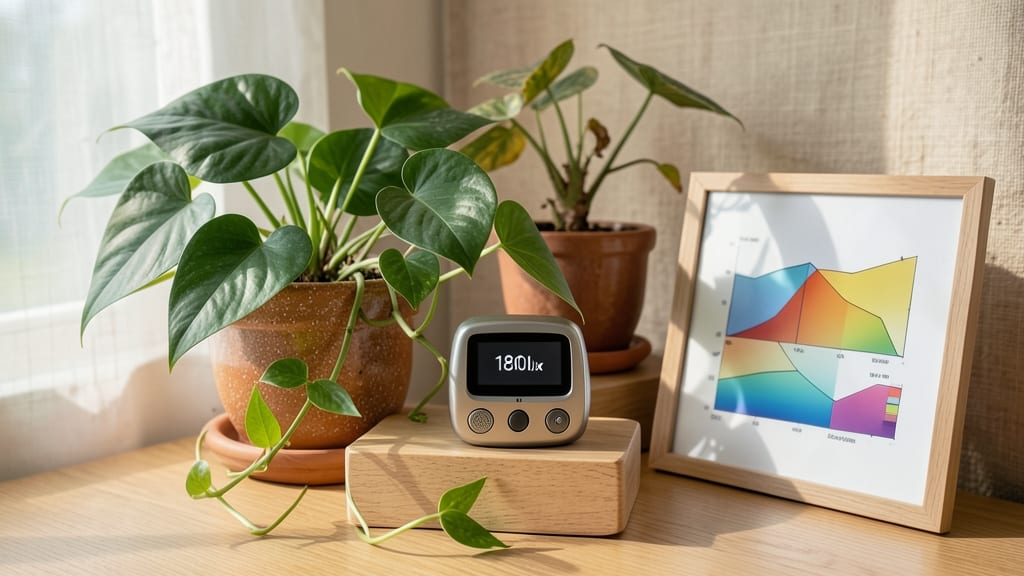
Want to know how much light does a philodendron plant need to thrive? The right amount makes all the difference—too little leaves you with sad, leggy vines, while too much can fry those beautiful leaves faster than you can say "sunburn."
Most people assume these tropical plants need bright light, but the truth is, philodendrons actually thrive in bright, indirect sunlight—think dappled light through a sheer curtain or a spot near a north-facing window. This balance keeps your plant happy and prevents common issues like yellowing or crispy edges.
I’ve helped countless plant parents fix their struggling philodendrons by tweaking just one thing: light placement. Whether you’re dealing with a heartleaf, brasil, or xanadu variety, I’ll show you exactly how to create the perfect growing environment—so you can enjoy that vibrant, fast growth without the guesswork.
Ready to transform your philodendron from struggling to stunning? Let’s dive into the ideal light conditions and how to troubleshoot any problems before they start.

Philodendron light requirements: the ideal bright indirect sunlight spectrum
Philodendrons thrive in bright indirect sunlight, making them perfect for homes with limited direct light exposure. Unlike sun-loving plants, they hate harsh rays that can burn their delicate leaves.
The key is finding that sweet spot where light filters gently through curtains or sheer fabric, creating the ideal growing environment.
Most philodendrons do well with 2-4 hours of morning sunlight paired with bright, diffused light for the rest of the day. This mimics their natural understory habitat in tropical forests, where dappled sunlight filters through the canopy.
Positioning your plant near an east-facing window often works best, as morning light is softer than afternoon sun.
If your home lacks natural light, grow lights can bridge the gap. LED grow lights with a 6500K color temperature (cool white) placed 6-12 inches above the plant provide the right spectrum.
Run them for 12-14 hours daily to mimic daylight cycles. This setup works especially well for Heartleaf philodendrons, which are the most adaptable variety.
| Light Condition | Description | Ideal For | Signs of Stress |
|---|---|---|---|
| Low Light | Dim corners, north-facing windows with no direct sun | Survival mode (slow growth) | Leggy stems, small leaves, pale color |
| Medium Light | Bright indirect light (east/west windows, 2-3 ft from south window) | Healthy growth (ideal for most varieties) | Balanced growth, vibrant leaves |
| Bright Indirect | Filtered sunlight (sheer curtains, dappled shade) | Fast growth, bold foliage | Crispy leaf edges, brown patches |
| Direct Sunlight | South-facing windows, unfiltered sun | Avoid (unless acclimated) | Yellowing, crispy brown leaves, wilting |
Seasonal changes affect your philodendron’s light needs. During winter months, when daylight is shorter, supplement with grow lights or move the plant closer to a bright window. In summer, watch for stronger sunlight—use sheer curtains to diffuse harsh rays, especially if your philodendron is near a south-facing window.
Watch for these visual cues to gauge if your plant’s light needs are met: Dark green, glossy leaves mean it’s happy, while light green or yellowing leaves signal too much light. Stretched-out stems with small leaves indicate it’s reaching for more light.
Adjust placement gradually—don’t move your philodendron abruptly, as sudden light changes can shock the plant.
For indoor growers, rotate your philodendron quarter-turns every week to ensure even light exposure. This prevents lopsided growth and helps the plant develop uniformly. If you notice new growth leaning toward one side, it’s a clear sign the plant needs to be repositioned or rotated for balanced light intake.
Outdoor philodendrons (like Philodendron hederaceum varieties) can handle slightly more light but still prefer shade. In USDA Zones 9-11, they thrive outdoors under 50% shade cloth or dappled shade from trees. Just avoid placing them in full sun, which can cause leaf scorch within hours.
Pro tip: If your philodendron develops crispy brown edges, it’s getting too much direct light. Move it back 3-4 feet from the window or add a sheer curtain. For pale, leggy growth, it needs more light—try a south-facing window with filtered light or a grow light.
Remember, philodendrons are forgiving plants—they’ll survive in low light, but they’ll grow much healthier and faster with the right balance. Start with medium indirect light and adjust based on your plant’s response. With the right light, your philodendron will reward you with lush, vibrant foliage and rapid growth! 🌿
Philodendron light requirements: the ideal bright indirect sunlight spectrum
Your philodendron thrives in bright indirect sunlight, but too much direct sun or dim conditions will stress it. The key is finding that sweet spot where leaves stay vibrant and growth stays vigorous.
Most varieties prefer 2-4 hours of morning light with afternoon shade—think east-facing windows or filtered light from sheer curtains.
Direct sunlight can scorch leaves, causing brown crispy edges, while too little light leads to leggy growth and pale foliage. Even low-light tolerant varieties like philodendron hederaceum (heartleaf) will grow slower without enough brightness. The goal is to mimic their natural understory habitat where dappled light filters through trees.
| Light Condition | Ideal Location | Signs of Stress |
|---|---|---|
| Bright Indirect (600-1000 ft-c) | East/west windows, 2-3ft from north window | Healthy dark green leaves |
| Low Light (100-400 ft-c) | North-facing windows, rooms without windows | Leggy growth, small leaves |
| Direct Sun (1000+ ft-c) | South windows without shade | Brown crispy edges, yellowing |
Seasonal adjustments are crucial—summer's intense light may require moving your plant 5-6 feet back from windows or using sheer curtains. In winter, supplement with grow lights if natural light drops below 2 hours daily.
A simple test: if you can read a book comfortably near your plant, it's getting enough light.
Rotate your philodendron quarter-turn weekly to ensure even growth, as plants naturally lean toward light sources. This prevents lopsided foliage and encourages bushier development. For indoor setups, fluorescent bulbs (5000-6500K) placed 6-12 inches above provide excellent artificial light for 12-14 hours daily.
Watch for these 3 key signs of perfect lighting: glossy dark green leaves, rapid new leaf production every 3-4 weeks, and sturdy stems that don't flop. When your philodendron hits this balance, you'll see 3x faster growth compared to low-light conditions.
Pro tip: Use a light meter app (like Light Meter by Acuity) to measure your plant's exact light levels. Aim for 600-1000 foot-candles—this range keeps your philodendron thriving without risking sunburn.