
Plants
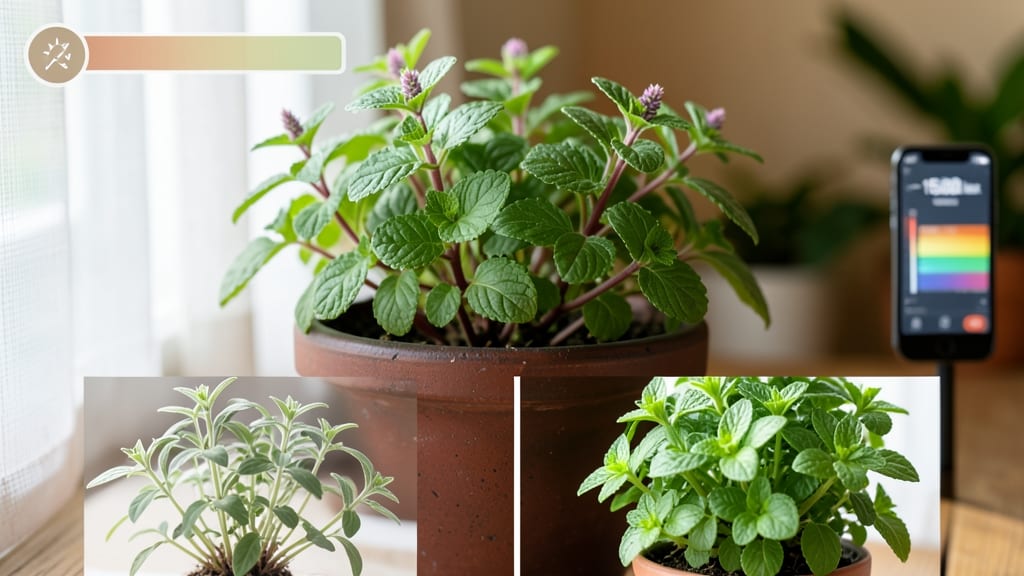
If your mint plant is growing slow or looking sad, you might be getting how much light does a mint plant need wrong—because mint thrives on bright indirect sunlight, not harsh midday rays.
Too much sun scorches the leaves, while too little stretches the stems into leggy shadows. The key is finding that sweet spot where your 🌿 stays lush and flavorful.
Mint in USDA Zone 6a loves 4-6 hours of filtered light daily, whether outdoors in partial shade or indoors near an east-facing window. Too much direct sun turns leaves yellow, while weak light makes stems flop.
I’ll show you exactly how to spot the signs and adjust care for perfect growth.
Whether you’re growing mint in your kitchen or garden, small tweaks—like rotating pots or adding sheer curtains—can make all the difference. Let’s fix those light struggles and turn your mint into a thriving, fragrant powerhouse.
Ready to give your mint the perfect glow? I’ll walk you through the best spots, seasonal adjustments, and quick fixes for common light mistakes—so you can harvest fresh, vibrant leaves all season long.

Ideal light requirements for mint plants: bright indirect sun explained
Mint thrives in bright indirect light, making it perfect for kitchen windowsills or shaded garden spots. Unlike sun-loving herbs, mint burns easily in direct afternoon sun, but it also struggles in deep shade, leading to leggy, weak growth.
The sweet spot? 4-6 hours of filtered sunlight daily, especially morning rays.
Outdoors, position mint where it gets dappled sunlight under trees or along north-facing walls. Indoors, an east-facing window provides ideal morning light without harsh afternoon exposure. Avoid south-facing windows unless you use a sheer curtain to diffuse the light.
Here’s how mint reacts to different light levels:
Mint’s leaves are your best light meter. Dark green, glossy leaves mean perfect lighting, while yellowing or crispy edges signal too much sun. If your mint stretches toward the light with long, sparse stems, it’s begging for more brightness—just avoid direct rays.
Pro tip: Rotate your potted mint every 2-3 weeks to ensure even growth. Uneven light exposure causes lopsided plants. For container gardens, place pots on a turntable or rotating tray to simplify the process.
Seasonal adjustments matter too. In summer, mint may need afternoon shade even in partial shade spots. Watch for wilting or drooping—a sign it’s overheating. Mulch around outdoor plants to keep roots cool and retain moisture.
Indoor growers often ask: Can I use artificial light? Yes! A full-spectrum LED grow light 12-14 inches above the plant for 12-14 hours daily mimics bright indirect light. Place it on a timer to automate care and avoid light burn from 24/7 exposure.
Remember, mint’s flavor intensifies with proper light. Too little light = bland leaves; too much = bitter, burnt edges. Strike that balance, and you’ll harvest aromatic, vibrant mint all season long.
How to adjust light for maximum mint growth: troubleshooting common issues
If your mint plant is struggling with yellowing leaves or stretched stems, the issue is often tied to light exposure. Too little light causes leggy growth, while too much can burn delicate leaves.
Let’s fix these problems with simple adjustments to create the perfect bright indirect light environment.
Start by identifying your mint’s current light conditions. If it’s placed in a south-facing window with harsh afternoon sun, move it to a spot 3-5 feet away to filter the intensity. For indoor growers, a north-facing window or east-facing spot is ideal for gentle morning light.
Signs of too much light include crispy leaf edges or white patches, while pale, sparse leaves signal insufficient light. Rotate your plant quarter-turns weekly to ensure even growth and prevent leaning toward the light source.
🌿
⚠️ Warning: Avoid Direct Sun
Mint plants can’t handle hot afternoon sun. If your outdoor mint is wilting or turning brown, provide afternoon shade using a lightweight shade cloth (30-50% block) or relocate it to a shadier patio spot.
Indoor tip: If your kitchen window gets intense sun, use sheer curtains to diffuse the light while still allowing brightness.
For low-light conditions, supplement with a grow light (LED or fluorescent) placed 6-12 inches above the plant for 12-14 hours daily. Choose a cool white or full-spectrum bulb to mimic natural light without overheating the leaves.
Adjust the height weekly to keep leaves 1-2 inches from the bulb.
If your mint plant is already leggy, prune the longest stems back by one-third to encourage bushier growth. Pinch off the top sets of leaves to redirect energy to the lower stems. Combine this with better light exposure for faster recovery.
Remember, mint thrives on consistency. Avoid moving it frequently, as sudden light changes can cause stress. With the right adjustments, your mint plant will reward you with vibrant green leaves and bold flavor in no time! ✂️