
Plants
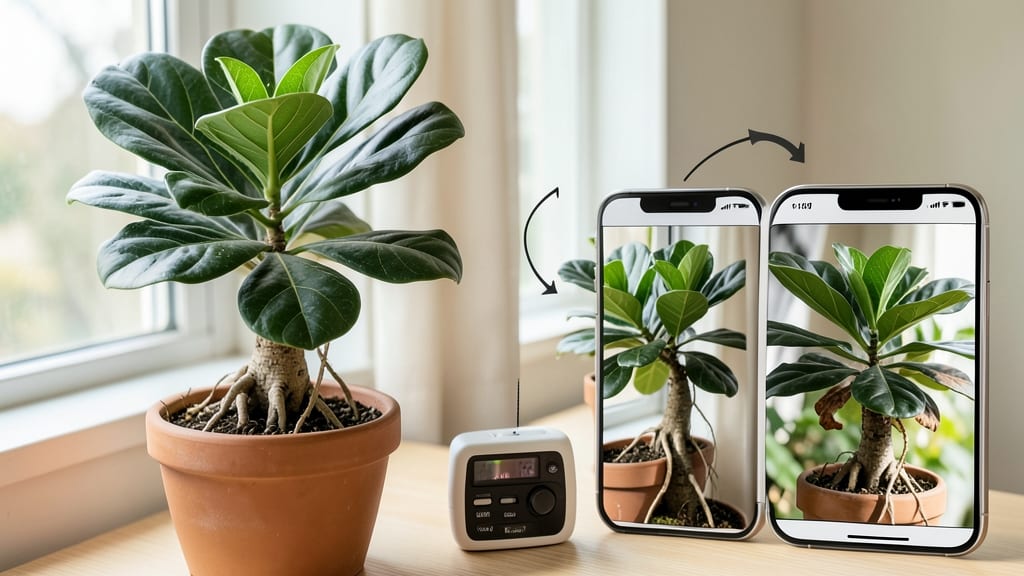
Ficus light requirements: the perfect balance for healthy growth
Ficus plants thrive in bright indirect light, making them perfect for homes with natural light but no harsh sun exposure. Unlike sun-loving succulents, ficus plants burn easily when exposed to direct sunlight for extended periods.
The ideal scenario is 4-6 hours of filtered light daily, mimicking their natural understory habitat in tropical forests.
Think of your ficus like a shade-loving tropical tree—it needs plenty of light to photosynthesize but hates the intense midday sun. A north-facing window or placement 3-6 feet from an east or west window provides the perfect balance.
Even in low-light conditions, ficus plants adapt surprisingly well, though their growth may slow significantly.
Here’s the golden rule for ficus light: bright but never direct. Use sheer curtains to diffuse harsh sunlight, or rotate your plant quarter-turns weekly to ensure even growth. This prevents leggy growth (a sign of insufficient light) or brown leaf tips (a sign of too much sun).
| Light Condition | Ideal for Ficus | Signs of Stress | Solution |
|---|---|---|---|
| Bright Indirect Light | ✅ Perfect for growth | None | Maintain current setup |
| Low Light (e.g., north window) | ⚠️ Tolerates but slows growth | Leggy stems, sparse leaves | Add grow light 6-8 hrs/day |
| Direct Sunlight (e.g., south window) | ❌ Burns leaves | Brown patches, crispy edges | Move to filtered light ASAP |
| Artificial Grow Lights | ✅ Great for indoor setups | None if properly adjusted | Use 12-14 hrs/day, 6-12" above plant |
Ficus plants like Ficus elastica (rubber plant) and Ficus benjamina (weeping fig) have slightly different tolerances. Ficus elastica handles brighter conditions better, while Ficus benjamina prefers gentler light. Always check your plant’s leaf color: dark green means it’s happy; pale or yellowing means it’s struggling.
Seasonal changes also affect your ficus’s light needs. In winter, when natural light is weaker, supplement with a grow light if you notice stunted growth. Conversely, in summer, watch for intense afternoon sun and move your plant away from south-facing windows by midday.
A simple trick is to rotate your plant weekly to ensure even exposure.
If your ficus is in a low-light office, place it near a window but avoid drafts. For outdoor placement, choose a spot under a dappled tree canopy or a shaded patio.
Remember, ficus plants are flexible—they’ll adapt to moderate changes, but abrupt shifts (like moving from shade to full sun) can shock them.
Pro tip: Use a light meter (or your phone’s light sensor app) to measure 1,000-3,000 lux—the ideal range for ficus plants. If you’re below 1,000 lux, invest in a full-spectrum LED grow light to bridge the gap.
Even a 12-inch fluorescent bulb can make a huge difference in indoor setups.
Watch for these tell-tale signs of light issues: Brown patches on leaves? Too much sun. Yellow leaves with leggy stems? Not enough light. The key is observation—your ficus will tell you exactly what it needs if you pay attention to its leaf texture and color.
Adjust gradually, and you’ll have a thriving, lush ficus in no time.
For outdoor ficus plants, like the ficus microcarpa (Ginseng Ficus), provide morning sun and afternoon shade. These varieties can handle slightly more light but still prefer indirect exposure. Always acclimate gradually if moving your ficus between indoor and outdoor spaces to avoid stress.
How to adjust your home’s lighting for a ficus plant
Finding the perfect spot for your ficus plant depends on your home’s natural light. Since ficus plants thrive in bright indirect light, you’ll need to adapt based on your windows and room layout.
Start by assessing which windows get the most light—east or west-facing windows are ideal because they provide gentle morning or afternoon sun without harsh midday rays.
If your home lacks ideal windows, don’t worry! Artificial grow lights can bridge the gap. LED grow lights with a 5000-6500K color temperature mimic natural sunlight and work well for 10-12 hours daily. Place the light 12-18 inches above your ficus to avoid burning leaves while ensuring adequate coverage.
Seasonal adjustments are key, too. In winter, when daylight is shorter, supplement with grow lights or rotate your plant closer to a south-facing window. Conversely, in summer, filter harsh afternoon sun with sheer curtains to prevent leaf scorch.
🌿
For office or apartment dwellers, consider placing your ficus near a skylight or glass door, where indirect light is often abundant. If your space is dim, like a basement or windowless room, a full-spectrum grow light on a timer is your best bet.
Just remember: consistency is key—ficus plants adapt poorly to sudden light changes, so transition gradually if moving them.
Pro tip: Monitor your ficus’s leaves as your guide. If new growth is pale or leggy, it’s craving more light. If leaves develop brown crispy edges, it’s getting too much direct sun. Adjust accordingly, and your ficus will reward you with glossy, vibrant foliage.
🪴